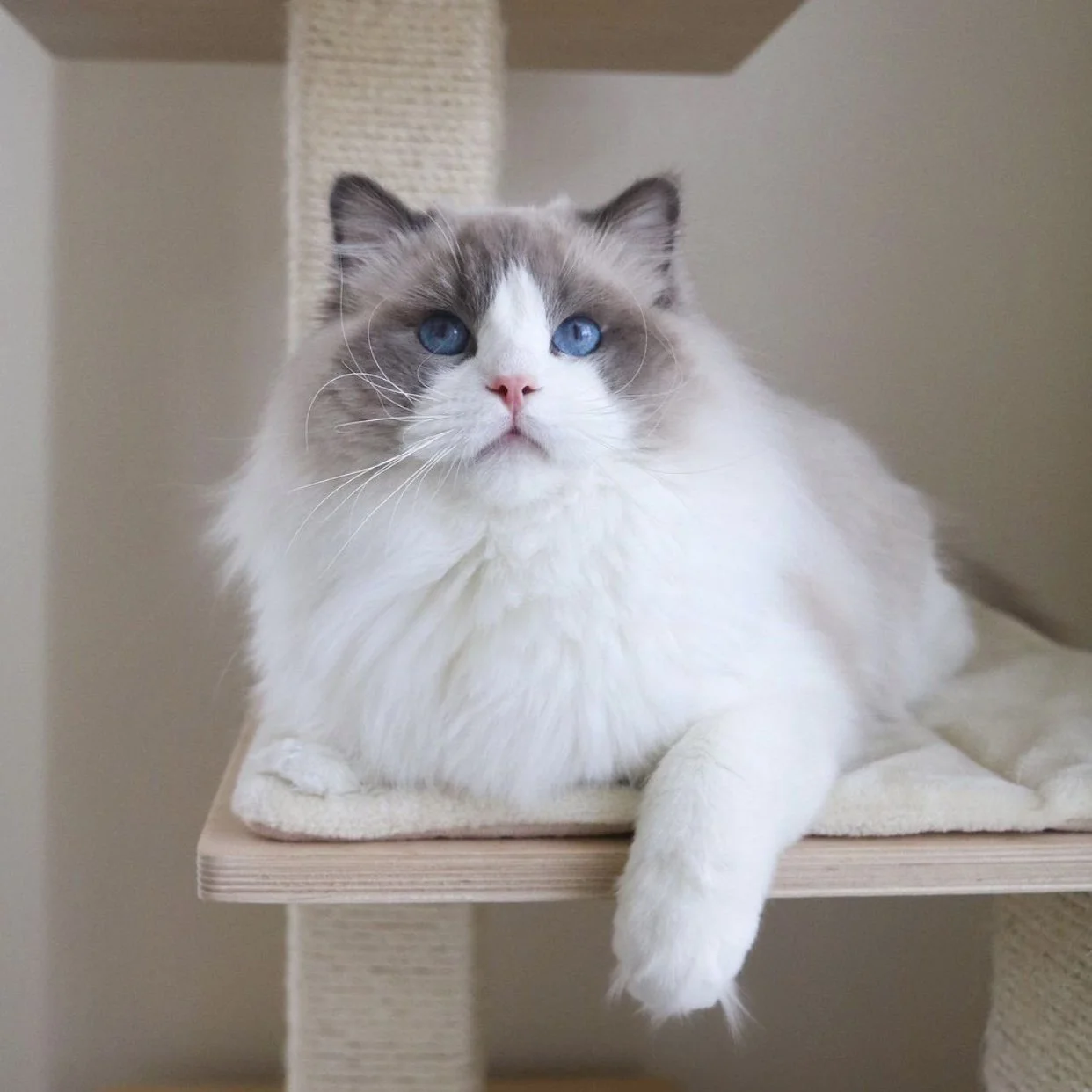
Analyzing Ragdoll Cat Breed Requirements: Supporting Feline Quality
Ragdoll cats are valued for their appeal and mild nature, and recognizing the breed criteria is essential for assessing their high quality and adherence to breed qualities.
Introduction to Ragdoll Cat Breed Standards
Ragdoll felines have an abundant history going back to the 1960s in California, USA, where they were uniquely bred to display particular attributes, causing their distinct look and character.
Background and Development of the Ragdoll Breed
The Ragdoll type's growth owes much to the efforts of committed dog breeders and enthusiasts, who thoroughly curated the breed's characteristics to produce the mild, caring pet cats we understand today.
Regulating Bodies and Associations
Various cat computer system registries and reproduce organizations, including The International Cat Association (TICA) and the Cat Fanciers' Association (CFA), establish and maintain standards that specify the optimal qualities of Ragdoll felines for event and reproduction.
Physical Characteristics of Ragdoll Cats
Ragdoll felines are defined by their large size, muscular build, and semi-longhaired layer, which can be found in a range of shades and patterns, including seal, blue, delicious chocolate, lilac, pointed, mitted, and bicolor.
Shade and Pattern Variations
The diverse color and pattern variations within the Ragdoll breed contribute to its charming allure, with each mix including in the originality and charm of these royal felines.
Head and Facial Structure
Ragdoll pet cats flaunt a distinctive head form defined by a broad, customized wedge form, flat airplane between the ears, and a delicately rounded muzzle, which provides their wonderful and capitivating expression.
Body Structure and Proportions
Their big, muscle bodies, broad upper bodies, and tough bone structures are enhanced by their characteristic propensity to relax entirely when grabbed, earning them the tag "ragdolls.".
Layer Texture and Length.
Ragdoll felines possess a soft, smooth layer that lies close to the body, with a slight ruff around the neck and full breeches on the hind legs, including in their extravagant and stately appearance.
Personality and Personality Traits.
Understood for their mild and caring nature, Ragdoll pet cats show a docile temperament that makes them well-suited for interior living and friendship with individuals and other pet dogs.
Reproducing Practices and Ethics.
Accountable dog breeders abide by strict breeding practices to guarantee that Ragdoll cats conform to breed criteria and exhibit the preferred traits of wellness, character, and conformation.
Showing and Judging Ragdoll Cats.
In cat programs, Ragdoll cats are examined based upon exactly how closely they adhere to the breed requirements, with courts assessing different aspects such as coat color and structure, body conformation, and total character to determine their high quality.
Final thought: Upholding the Essence of the Ragdoll Breed.
Understanding Ragdoll feline breed criteria is vital for maintaining the honesty and appeal of the breed, ensuring that Ragdoll cats remain to mesmerize and captivate pet cat fans worldwide with their one-of-a-kind high qualities and attributes.
Ragdoll Cat Breed Standards: FAQs.
Q: What are the most common coat shades and patterns seen in Ragdoll pet cats?
A: The most typical layer shades in Ragdoll felines are seal and blue, while patterns such as sharp, mitted, and bicolor are frequently observed.
Q: Are Ragdoll felines appropriate for households with youngsters and various other get more info family pets?
A: Yes, Ragdoll cats are known for their mild and sociable nature, making them excellent buddies for households with kids and various other pet dogs.
Q: Do Ragdoll pet cats call for a great deal of brushing due to their longhaired coats?
A: While Ragdoll felines do have semi-longhaired coats that require normal brushing to avoid matting and reduce losing, their grooming needs are generally convenient with once a week cleaning sessions.